Structure doesn't make people cooperate. The right architecture does.
Bolt a PMO or an AI system onto an organization and people tolerate it for a while, then work around it, then forget it is there. I build them in, so they become part of how decisions get made.
Fifteen years leading transformation inside global organizations, now paired with cooperation science research at Arizona State University's Cooperative Futures Institute.
If any of this sounds familiar
These are the conversations I get called into most often. You don't need a defined scope to start one.
You have a PMO and people route around it
The governance exists on paper. In practice the real decisions happen in side channels, and the PMO finds out afterward.
Three AI pilots, none in production
Every pilot works. None survives contact with the operating model, because nobody owns the decision the tool was meant to change.
Every function is reasonable, collectively you're stuck
No one is behaving badly. Each group optimizes for what it's measured on, and the result is an organization that can't move together.
A transfer where readiness is mostly optimism
Multi-site, cross-regional, often regulated. The plan is detailed, the risk register is thin, and the go-live date is already public.
What I do
Engagements range from a short diagnostic to leading a multi-year program. If you're not sure which you need, that's worth a conversation.
PMO and operating model design
Building or rebuilding a PMO around how the work really moves. Intake, portfolio governance, resourcing, KPIs, and the training that makes it hold once I leave.
This increasingly includes the question most PMOs haven't answered yet: what happens to decision rights and accountability when part of the work is done by an AI system.
Regulated and multi-site program delivery
Leading complex, cross-regional programs end to end, including GMP-regulated manufacturing and supply chain environments where getting readiness wrong costs more than schedule.
AI readiness and governance
An honest read on where an organization stands before it scales anything: decision rights, data foundations, capability, and real appetite for change. Then governance people use instead of route around.
Advisory, workshops, and speaking
Working sessions for leadership teams figuring out what all of this means for how they operate. Also available for panels, guest lectures, and applied research partnerships.
Four ways to start
Different mandates need different starting points. If you're not sure which applies, the first one exists to work that out.
Executive working session
A focused conversation with your leadership team to clarify the mandate, surface the real constraints, and identify where the work should begin.
For leaders who know something isn't holding but haven't yet named it precisely.
Readiness diagnostic
A scored assessment of one portfolio, business unit, or region, through a delivery lens, an AI lens, or both. Where decision rights sit, who owns what, and the points where both give way.
You get a written position you can put in front of a board and defend, with a sequenced path forward.
Transformation office
Building or rebuilding the function so decisions actually move through it. First phase delivers the governance model, intake, and decision architecture. Later phases scope to the mandate.
For organizations where the office doesn't exist, or exists and gets routed around.
Program leadership
Senior leadership of a live, high-consequence program. Multi-site, cross-regional, often regulated. Readiness planning, risk mitigation, cross-functional alignment. I run it, I don't advise on it.
For programs where the date is already public and the risk register is thinner than it should be.
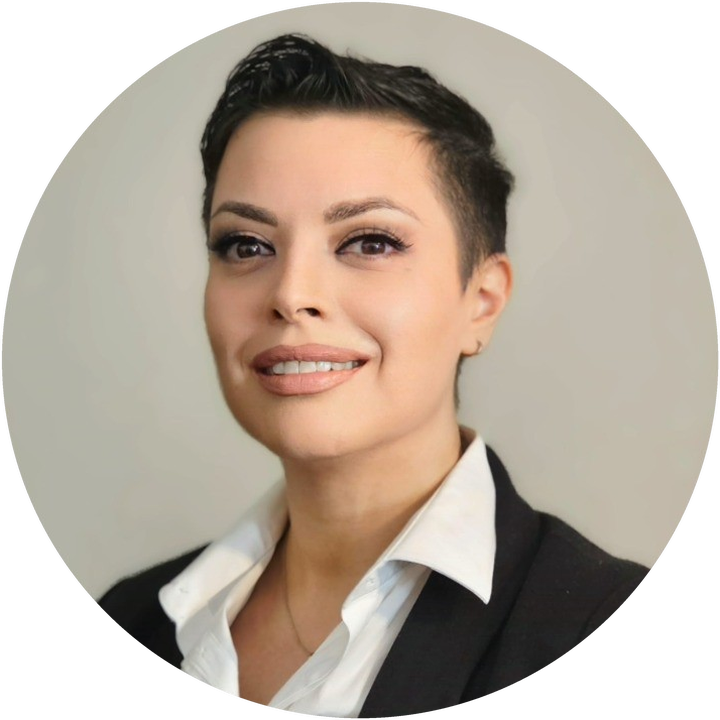
Why I keep coming back to cooperation
I trained as a molecular evolution scientist before I ever built a PMO. Both fields turn out to ask the same question: how do independent parts come to act in each other's interest, and what happens when they stop?
Fifteen years of transformation work taught me that almost nothing fails for the reason named in the post-mortem. The tool was fine. The plan was fine. What was missing was any reason for people to carry a cost on someone else's behalf, and no amount of structure creates that by itself. Structure can only make cooperation easier or harder. Most organizations, without meaning to, make it harder.
That's why I don't treat resistance as an obstacle to manage around. Resistance is usually accurate. It's people telling you where the new system asks them to give something up without saying what they get back.
None of that came out of project management training. Too many programs failed for reasons the plan couldn't explain, so I went back and studied the psychology behind it. Why people hold on. What makes cooperation worth the risk to the person being asked for it. That reading turned into research, and it's why I now work on how people and AI systems divide work and judgment between them.
It's also why the AI conversation and the PMO conversation are the same conversation to me. Both introduce something new into a system of people who already have working arrangements. Do it as an appendix and the organization tolerates it and routes around it. Do it as architecture and it becomes part of how the place thinks.
Saina
Research and writing
The consulting and the research feed each other. The research is why I can say something specific about human-AI cooperation instead of repeating what everyone else is reading.
Cooperation Benchmarks: division of labor
Co-author on one of the Cooperative Futures Institute's Cooperation Benchmarks, measuring how effectively work and judgment get divided between people and AI systems.
Belonging After Check-In: civic network hotels
Chapter author in The End of Tourism, an edited volume from Channel View Publications.
Collective risk and organizational readiness
Research collaboration with the ASU Department of Psychology on collective risk sensitivity and behavioral alignment.
Essays on change, PMOs, and AI transformation
Shorter pieces published regularly on why resistance is the normal condition, what makes change activity go through the motions, and how transformation looks from inside it.
Background
Fifteen years leading transformation inside global organizations across consumer health, pharmaceutical, and biotechnology. Most recently I built and ran the Agility PMO at The Estée Lauder Companies, leading global product portfolio transfers across North America, EMEA, and APAC. Before that, portfolio and PMO leadership at Botaneco and Purdue Pharma, and technical and commercial roles across specialty chemicals and consumer health.
I served on the Board of Directors of the Society of Cosmetic Chemists for nearly a decade, chairing the Ontario chapter twice, and taught in a cosmetic sciences master's program as adjunct faculty.
I trained as a molecular evolution scientist, with an MSc from the University of Guelph's Biodiversity Institute of Ontario. Master's Certificate in Project Management from the Schulich School of Business, and Prosci certification in change management.
I currently advise organizations across several sectors as an independent consultant. Client names on request.
Full career history on LinkedIn.
Get in touch
Some people arrive with a defined scope. Others just know that something in how their organization works together has stopped holding. Both are fine places to start.
I take on a small number of engagements at a time, so an early conversation costs you nothing and tells us both quickly whether it's a fit.
Thank you, your message is with me.
I read everything myself and reply within two business days.
If it's easier to just talk, you can book a 30-minute call without waiting for my reply.